

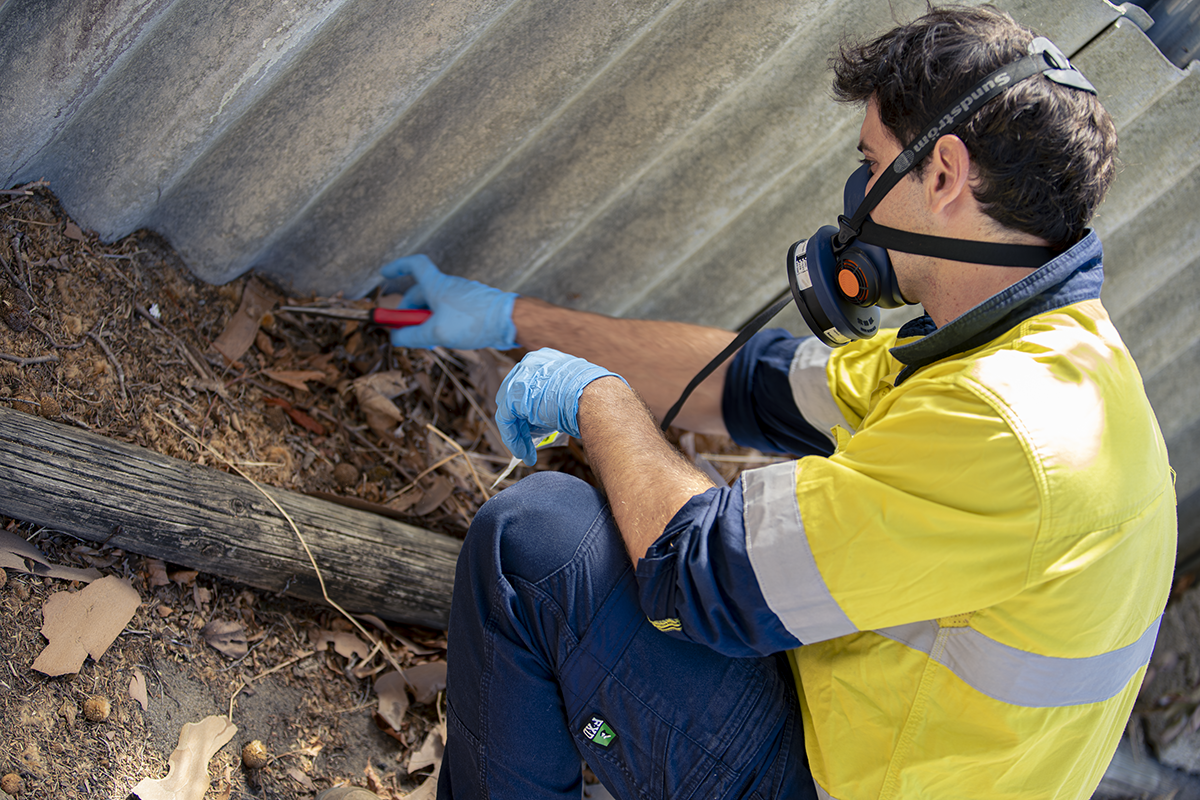
Safety and compliance sit at the centre of any discussion about asbestos removal. This material was trusted before and can still be present in many older buildings. When disturbed, it could release fibres in to the air, creating serious health risks. Due to this, handling it safely is never optional. Proper planning, controlled processes, and strict rules help protect people and property. Following recognised safety standards ensures that work is carried out responsibly and with care. Compliance is not merely about meeting rules but additionally about reducing long-term risks and creating safer environments for all involved. Professional asbestos removal relies on clear safety procedures from start to finish. Before any work begins, areas are carefully assessed and prepared. This helps limit exposure and prevents fibres from spreading. Protective clothing and specialised equipment are used to create barriers between workers and hazardous materials.Air control methods are put on keep environments stable and clean. These steps are created to safeguard workers, occupants, and nearby spaces. If you’re seeking to find out more about asbestos removal, just go to the mentioned previously website.
A careful approach reduces disruption while maintaining high safety standards. Each stage is handled with awareness of detail to ensure that risks remain controlled at all times. Working with an experienced asbestos removal contractor is a key element of meeting safety and compliance expectations. Trained professionals learn how to follow approved practices and legal requirements. They know how to manage waste correctly and ensure materials are discarded in a responsible manner. Clear documentation supports transparency and accountability through the process. This level of organisation helps reassure property owners that work will be carried out properly. Compliance also supports consistency, ensuring that every project follows the same high standards no matter size or setting. Regulations around asbestos removal exist to protect public health and the wider environment. These rules guide how materials must be identified, handled, and removed. Compliance means using approved methods and keeping accurate records. It also means ensuring that only competent people carry out the work. Safety checks and controlled working conditions help maintain trust and reliability. By following established guidance, risks are minimised and outcomes are improved.
A compliant process supports peace of mind and demonstrates a commitment to responsible practice. Selecting the most appropriate asbestos removal contractor supports both safety and compliance goals. Reliable contractors place strong focus on planning, training, and communication. They keep safety as a priority while ensuring that all actions align with current standards. Clear processes help avoid mistakes and reduce unnecessary exposure. Proper asbestos removal protects occupants today and helps maintain safer spaces in the future. By focusing on compliance and care, the entire process becomes smoother and more dependable. Safe handling and responsible removal are necessary steps towards healthier buildings and long-term reassurance. Ongoing awareness strengthens safety beyond the initial asbestos removal process. Clear guidance helps occupants realize why restricted access and safety measures matter. Good communication reduces uncertainty and supports cooperation during work. An asbestos removal contractor also plays a role in educating stakeholders about safe outcomes and future precautions. Proper signage, clear boundaries, and calm explanations create trust. Compliance continues even with removal through careful inspection and controlled clearance. This final stage confirms that spaces are safe for normal use again.